Modern Big Data Architectures: Azure Synapse Analytics
The evolution of data architecture over recent decades reflects the exponential growth in the volume, variety, and velocity of data generated by organizations. In this context, modern Big Data architecture, supported by advanced solutions such as Microsoft Azure Synapse Analytics, emerges as a strategic response to the demand for fast analytics and actionable insights. This article explores Azure Synapse Analytics’ contribution to modern Big Data architectures, highlighting its advantages, challenges, and recommended practices for effective implementation.
Integration and Advanced Analytics with Azure Synapse Analytics
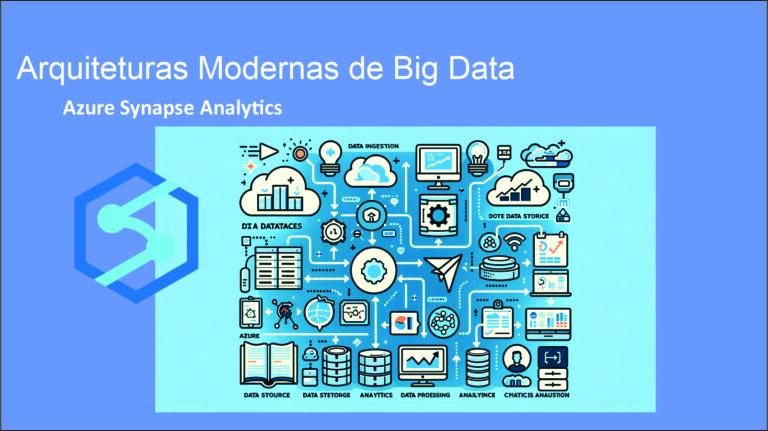
Azure Synapse Analytics is positioned as an integrated analytics platform that offers a unified solution for data warehousing, Big Data, and computational analytics. The integration of Azure Synapse with services such as Azure Data Lake Storage and Azure Machine Learning makes it easier to build a cohesive data ecosystem, where data can be stored, processed, and analyzed without the need for information silos.
A notable example of this integration is Azure Synapse’s ability to process petabytes of data in minutes using massively parallel processing (MPP) technology. This capability allows organizations of all sizes to perform complex analytics, such as machine learning and predictive analytics, directly on their large data sets without compromising performance.
Implementation Challenges
Although Azure Synapse offers numerous advantages, its implementation is not free of challenges. The inherent complexity of migrating to an integrated data platform can require a significant investment of time and resources. In addition, cost management is a critical factor, given the scalable nature of cloud services, which, while offering flexibility, also requires rigorous monitoring to avoid excessive spending.
The learning curve represents another potential obstacle. The effective use of Azure Synapse depends on the technical competence of the team responsible for operating it. Therefore, organizations may need to invest in training and professional development to maximize return on investment.
Recommendations for Effective Implementation
To navigate the challenges associated with implementing Azure Synapse Analytics and ensure a smooth transition to a modern Big Data architecture, Microsoft suggests several recommended practices:
– Requirements Analysis and Careful Planning: A comprehensive understanding of the organization’s data needs is essential. This includes assessing data types, volumes, and analytics requirements to ensure that the designed architecture is appropriate and scalable.
– Adoption of Data Governance Principles: Implement rigorous data governance and security policies from the beginning to ensure regulatory compliance and protect data against unauthorized access and leaks.
– Enablement and Continuous Training: Given the complexity of the tools and techniques involved, investing in ongoing team enablement is essential. This not only facilitates a more effective implementation but also helps extract maximum value from the platform’s analytical capabilities.
– Continuous Monitoring and Optimization: Use the monitoring tools provided by Azure to track system performance and optimize resources according to needs, thereby ensuring efficient cost management and optimized performance.
Case Study: Implementing Azure Synapse Analytics in a Retail Company
Context
A large retail company, operating both physical stores and e-commerce, faced significant challenges in managing and analyzing its vast volumes of data. With a variety of data sources, including sales transactions, online customer interactions, inventory data, and product feedback, the company needed a solution that could efficiently consolidate this data to obtain actionable insights supporting strategic decision-making.
Challenge
The company’s existing data architecture was fragmented, with data stored in multiple systems and formats, making integrated and real-time analytics difficult. In addition, the data analytics team struggled with reporting latency and the inability to perform advanced analytics, such as forecasting sales trends and personalizing offers for customers. The need for a platform that could unify data and facilitate complex analytics was clear.
Solution: Implementing Azure Synapse Analytics
The company chose to implement Azure Synapse Analytics as the solution to its data challenges. The implementation process involved several critical steps:
1. Data Integration: The first step was to integrate data from various sources, including point-of-sale systems, e-commerce platforms, and inventory databases, using Azure Data Factory to automate the flow of data into Azure Data Lake Storage.
2. Building a Lakehouse: Using Azure Synapse, the company built a “lakehouse” architecture, enabling data storage at data lake scale with the management and analytics capabilities of a traditional data warehouse.
3. Analytics and Machine Learning: With unified data available, the data team began using integrated tools in Azure Synapse to perform advanced analytics and develop machine learning models for demand forecasting and offer personalization.
Results
– Real-Time Insights: The implementation of Azure Synapse Analytics enabled the company to access real-time insights into sales performance, consumer trends, and the effectiveness of promotional campaigns.
– Data-Driven Decisions: With advanced analytics and predictive models, the company was able to optimize inventory, personalize the customer shopping experience, and improve its marketing strategies.
– Operational Efficiency: Consolidating data on a single platform significantly reduced reporting latency and increased the operational efficiency of the data team.
Lessons Learned
The transition to Azure Synapse Analytics highlighted the importance of a phased, well-planned approach to data integration and analytics. Team enablement and investment in data governance were fundamental to the project’s success. This case study demonstrates how Azure Synapse can transform a company’s ability to manage and analyze data at scale, driving innovation and evidence-based decision-making.
In conclusion, Azure Synapse Analytics represents a milestone in the evolution of Big Data architectures, offering organizations a powerful platform to integrate, process, and analyze data at scale. However, to fully leverage this technology’s capabilities, it is imperative to address challenges with careful planning and adhere to the recommended practices proposed by Microsoft.
Want to learn Databricks from zero to advanced?

For only 37 reais, start your data engineering career today!