Generative AI and Databricks: A Revolution in Data Processing
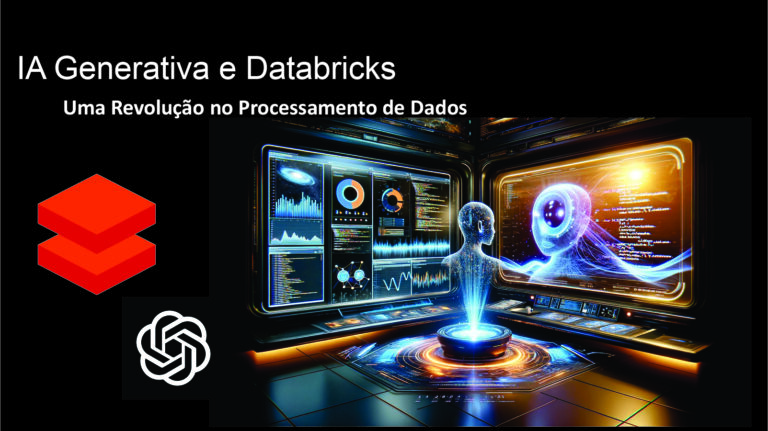
Generative Artificial Intelligence (AI) has emerged as one of the most fascinating and fastest-growing areas in technology. This branch of AI focuses on creating new and original content, ranging from text, images, and music to programming code. When we combine the power of generative AI with Databricks’ advanced data processing and analytics capabilities, a new world of possibilities opens up for companies and developers.
What is Generative AI?
Generative AI involves the use of machine learning models, such as Generative Adversarial Networks (GANs) and Autoregressive Language Models, to generate new data that resembles the training data. These models are trained on large datasets and learn to produce outputs that can fool even human evaluators, making them believe that the generated content is authentic.
The Databricks Connection
Databricks offers a unified platform for data analytics and machine learning, built on Apache Spark. It is an ideal solution for handling big data processing challenges, enabling data teams to build, train, and deploy generative AI models at scale. With Databricks, developers can easily access and prepare large volumes of data for training, optimize model performance, and run experiments efficiently.
Critical Databricks Capabilities for Generative AI
1. Large-Scale Data Processing: Databricks makes it easier to handle large volumes of data, which are essential for training generative AI models, by providing tools for batch and real-time processing.
2. Collaborative Environment: The platform promotes effective collaboration between data scientists and machine learning engineers, enabling the joint development of more accurate and innovative models.
3. Integrations and Libraries: Databricks offers integration with a wide range of data sources and machine learning libraries, which is essential for developing and improving generative AI models.
4. Scalability and Flexibility: The ability to dynamically scale resources according to project needs is crucial for AI experiments, allowing fast and efficient adjustments to processing power.
5. Security and Governance: With data security becoming a growing concern, Databricks provides a secure environment for generative AI development, ensuring data protection and regulatory compliance.
Revolutionary Applications
The combination of generative AI with Databricks opens the door to a variety of innovative applications:
– Automated Content Development: From generating personalized articles and reports to creating images and videos on demand.
– Advanced Predictive Analytics: Using generative models to forecast future trends, consumer behavior, and possible market scenarios.
– Data Simulation for Training: Generating synthetic datasets to train machine learning models, especially useful in areas with limited data.
To demonstrate how to use generative AI in Databricks, we will create an example involving the use of a pre-trained language model, such as GPT (Generative Pre-trained Transformer), to generate text. Databricks supports several machine learning libraries, including PyTorch and TensorFlow, allowing generative AI models to be integrated with ease.
Step 1: Configuring the Databricks Environment
First, make sure your Databricks environment is configured to support PyTorch or TensorFlow. This may involve installing additional libraries through a Databricks notebook or configuring a virtual machine environment with the required dependencies.
Step 2: Load the Generative AI Model
We will use Hugging Face’s Transformers, a popular library that provides an easy interface for working with pre-trained language models, including GPT.

Step 3: Generate Text with the Model
With the model loaded, we can now generate text. We will define an initial prompt and use the model to expand that text.

Step 4: Analyze and Use the Generated Text
The text generated by the model can be used for a variety of purposes, such as website content, generating ideas for articles, or even creating dialogues for chatbots. The key here is to explore the creativity and innovation that generative AI models can offer.
Final Considerations
When working with generative AI in Databricks, it is important to consider the ethical aspects and implications of using these technologies, especially in terms of authenticity and ownership of generated content. In addition, training and inference for large-scale models can require significant compute resources, something Databricks can efficiently manage through its scalable cloud-based platform.
This example demonstrates how easily generative AI models can be integrated and used within the Databricks environment, opening a range of possibilities for data exploration and intelligent content generation.
Generative AI, supported by the robustness of Databricks, represents an exciting frontier in data analytics and AI development. This combination not only accelerates innovation but also democratizes access to advanced technologies, enabling organizations of all sizes to explore the unlimited potential of generative AI. As we move forward, the integration between generative AI and data analytics platforms such as Databricks will be essential to unlock new levels of creativity and efficiency across a wide range of industries.
Want to Learn Databricks from Zero to Advanced?

For only 65 reais, start your data engineering career today!