

Data Lakehouse:
A data lakehouse is a type of data management system that combines the capabilities of a data lake and a data warehouse. A data lake is a centralized repository that allows organizations to store all their structured and unstructured data at any scale. A data warehouse is a system used for reporting and data analysis and is designed to support efficient queries and analysis of data.
It is designed to provide the best of both worlds, allowing organizations to store and manage large amounts of data in a centralized repository while also providing the ability to perform complex analytics and queries on that data. This is done by integrating the storage and management capabilities of a data lake with the query and analytics capabilities of a data warehouse.
One of the main benefits is its ability to handle structured and unstructured data. This allows organizations to store a wide variety of data types, including text, images, videos, and much more, in a single location. In addition, a data lakehouse can handle data of any size, making it suitable for big data environments.
Another important benefit is its ability to support real-time queries and analytics. By integrating the query and analytics capabilities of a data warehouse with the storage and management capabilities of a data lake, a data lakehouse can provide near-real-time insights into an organization’s data. This allows organizations to make data-driven decisions faster and more effectively.
In the figure below, we see a comparison between Data Warehouse, Data Lake, and Data Lakehouse:
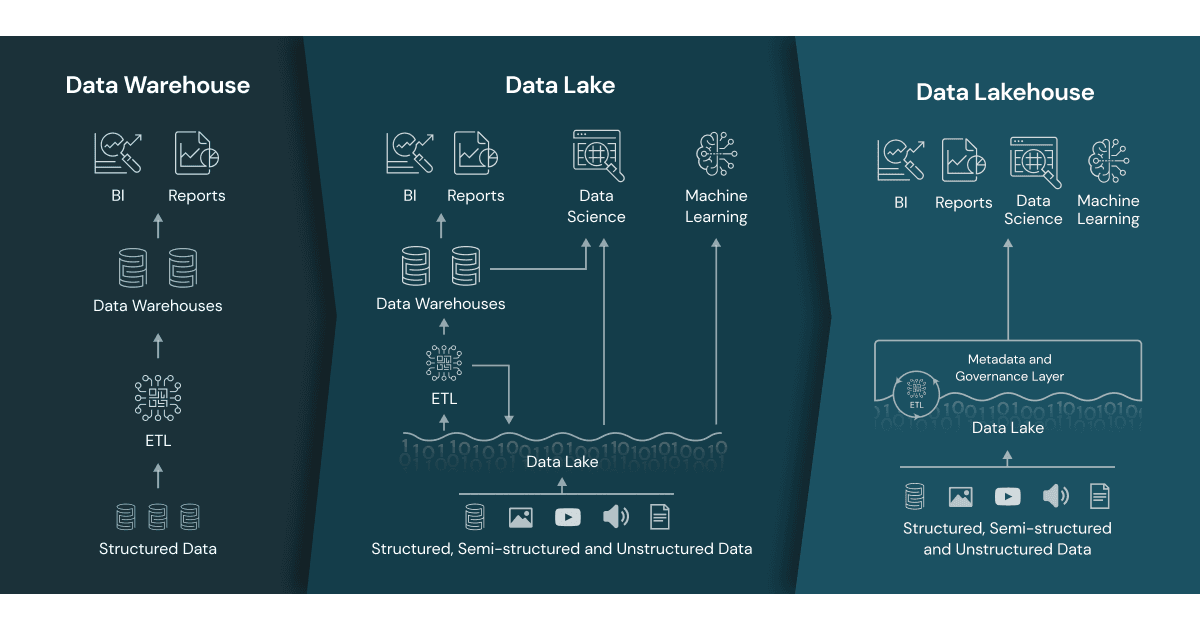
In Databricks, we can find a hybrid architecture where we add integration capabilities to provide data for visualization and other work we may perform.

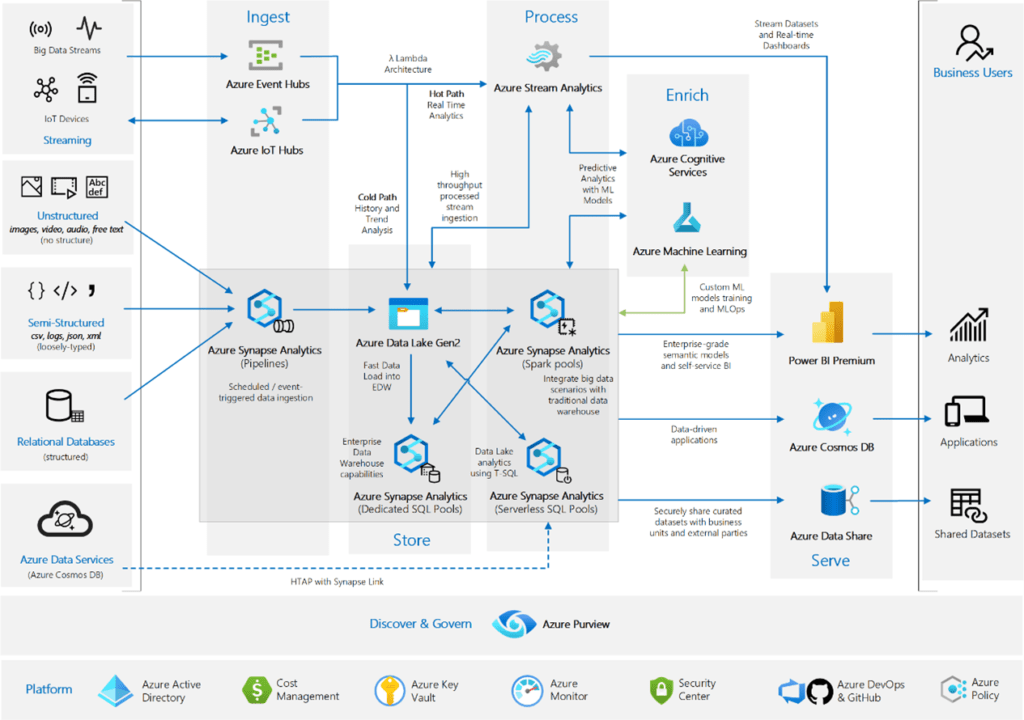
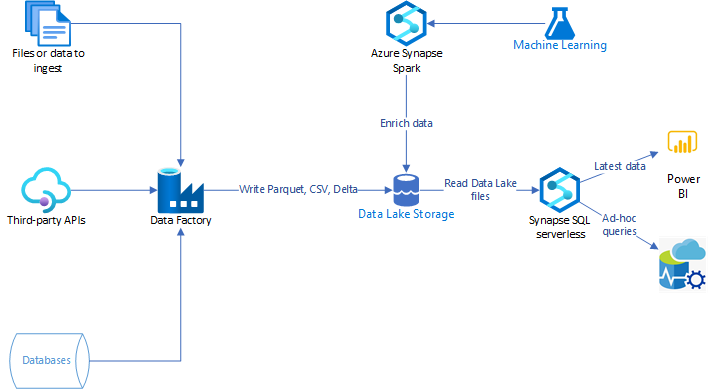
Using Microsoft Synapse, we find a base architecture for applying this concept, where we can see that the main orchestration structure is in the preparation layer, which greatly improves the speed of data processing and distribution to the consumption layer. The first image provides a macro view, and the second shows the entire data pipeline.

Next, we have a processed ingestion pipeline where Azure Data Factory has the role of bringing data into the Data Lakehouse platform:
In conclusion, a data lakehouse is a powerful tool for data management and analytics. It provides the ability to store and manage large amounts of structured and unstructured data in a centralized repository, while also offering the ability to perform complex analytics and queries on that data in near real time. This makes it suitable for big data environments and organizations seeking to make data-driven decisions quickly and effectively.
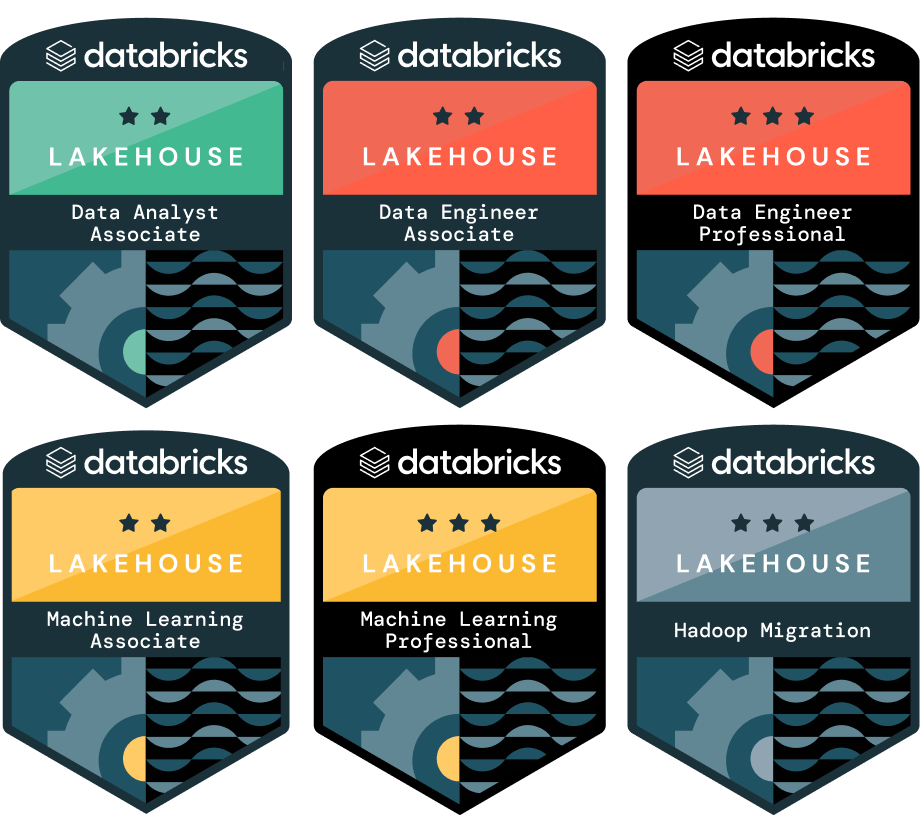
To go deeper, in addition to the recommended bibliographies, Databricks offers learning paths with Data Lakehouse certifications.
https://www.databricks.com/learn/certification
Sources: Microsoft, Databricks, Ranjeet Srivastava, Mary Levins, Bill Inmon.
Recommended Bibliographies: